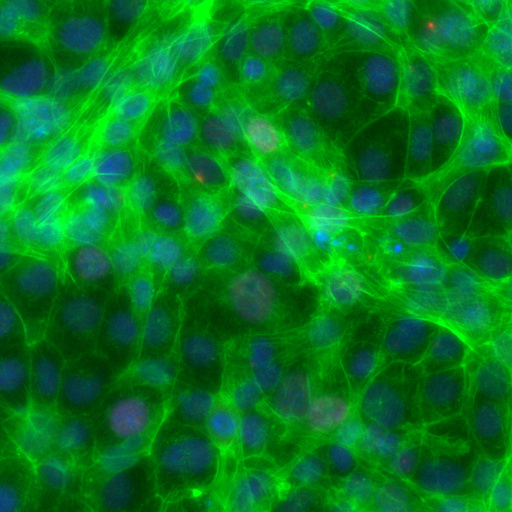
3D In Vitro Reproductive Models
Mini-testis co-cultures of spermatogonia, Sertoli and Leydig cells in an ECM scaffold. Available for mouse, rat, canine and human.
Explore models
Reprotox helps drug-development and chemical-safety teams screen compounds for testicular toxicity using multi-species 3D models (rodent, canine and human), high-content imaging and machine-learning analysis.
 NIH SBIR Phase INIEHS R43ES031890NIH SBIR Phase IINIEHS R44ES027374
Our 3D mini-testis model was profiled against 87 reference compounds and benchmarked against traditional in vivo reproductive toxicity data.
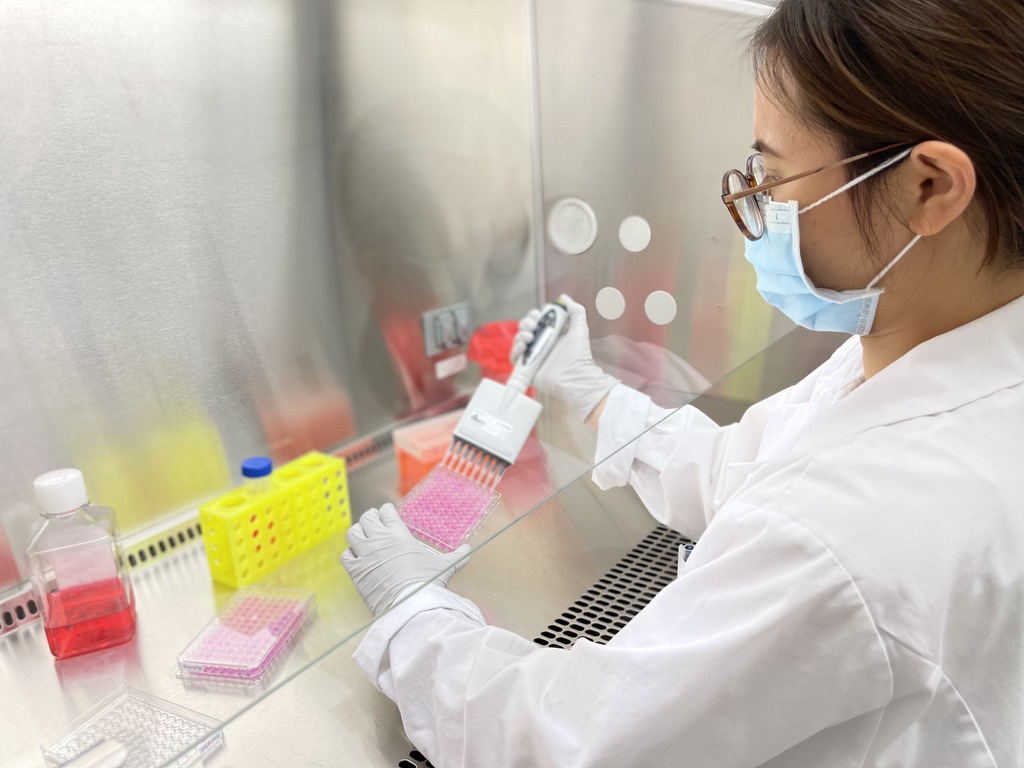
Standard assays or a study designed around your compounds, timelines and regulatory questions.
Mini-testis co-cultures of spermatogonia, Sertoli and Leydig cells in an ECM scaffold. Available for mouse, rat, canine and human.
Explore models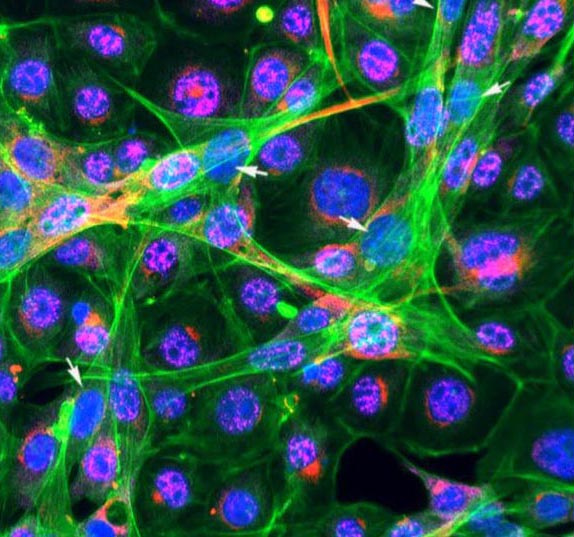
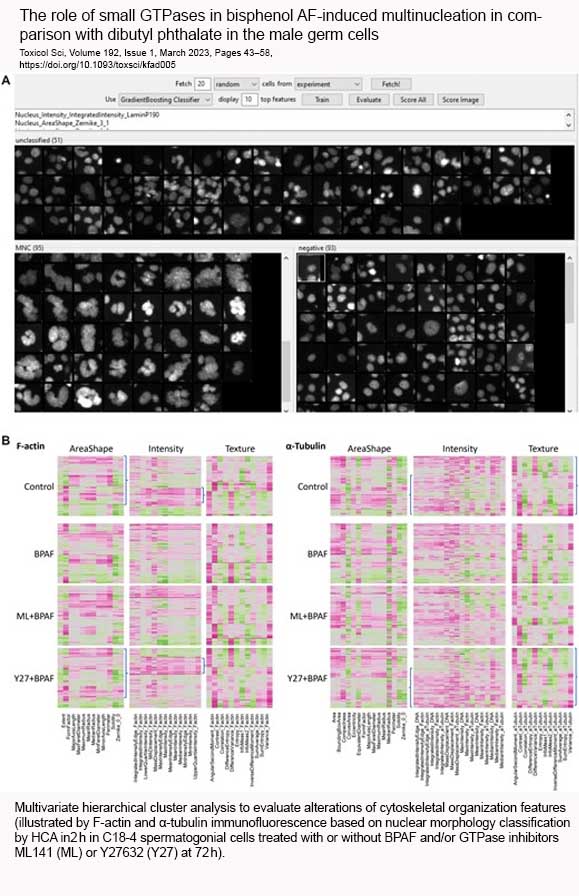
Automated high-throughput imaging with multi-parametric, AOP-aligned phenotypic profiling and machine-learning analysis.
See assays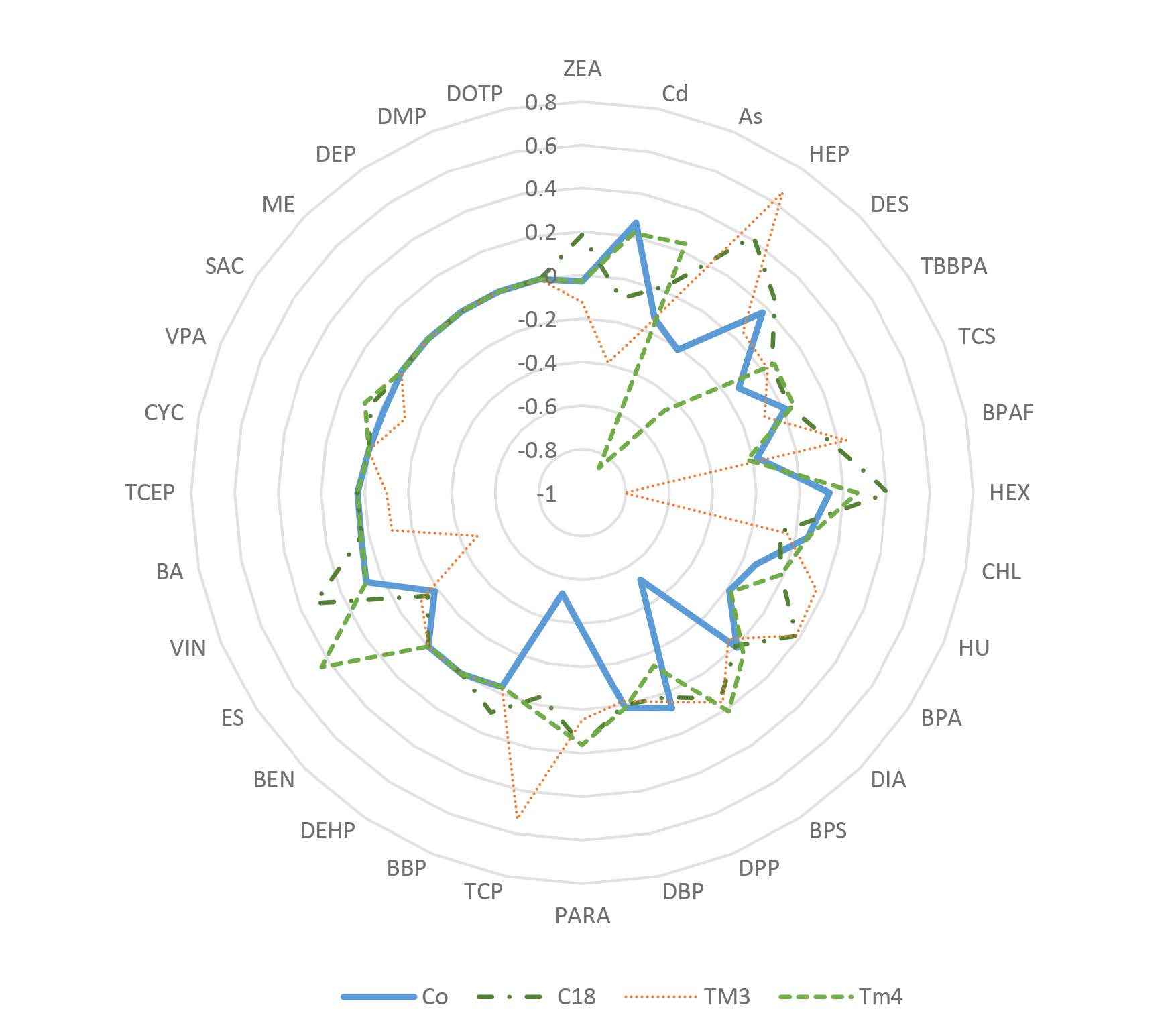
Affordable, scalable study designs for drugs and environmental chemicals, with clear reporting.
Design a studyPrimary canine (dog) Sertoli cells in 1 mL stock vials. Rat Sertoli cells on request. Order →
Cell-specific pathways, DNA damage and cytoskeletal disruption.
Reproductive toxicology assessment and NAM strategy support.
Tell us about your compounds, species of interest and the decision you need to make.
We propose models, endpoints, concentrations and timelines, plus a quote.
Compounds run in 3D mini-testis models with automated high-content imaging.
Quantitative, mechanism-informed results with ML-based hazard prioritization.
Yin L, Hu JC, Xia M, Yu X. Toxicological Sciences. 2025;208(2):279–300.
Recognized for our high-content toxicological profiling of 87 compounds using a 3D mouse mini-testis model.
Read moreNew work on microplastic accumulation in mammalian reproductive tissues, comparing domestic dogs and human samples.
Read moreAwarded by the Technology Research Collaborative Board and the New Mexico Economic Development Department.
Read moreTalk to our toxicologists about models, endpoints and timelines for your compounds.